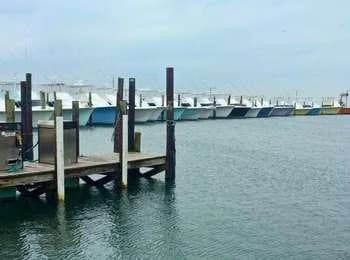
Wind, water temperature, migration and your fishing method matter more than a calendar promise. The National Park Service highlights spring and fall for seashore fishing, with opportunities throughout the year. Use the broad guide below to start a conversation with a local shop or captain.
Spring
Ask about warming-water surf and pier opportunities and the timing of local drum, bluefish and sea mullet activity. Boat targets depend on the departure port and conditions. Bring layers for cool wind even on a sunny day.
Summer
Compare a short pier outing with a guided sound, nearshore or offshore trip. Plan sun protection, drinking water and a break from the heat. Confirm that your fishing spot stays clear of swimming areas and crowded beach traffic.
Fall
A popular time to plan surf and pier fishing. Ask local shops about drum, bluefish and trout opportunities for the area you are visiting. Tropical weather and shifting access can still change the day’s plan.
Winter
Plan around shorter daylight, cold water, wind and reduced operator hours. Contact shops and captains before traveling specifically to fish. Choose your outing from a recent local report rather than assuming summer services are available.
Fish names you may hear: puppy drum means smaller red drum; specks are speckled trout; sea mullet are also called whiting. Offshore, “dolphin” in a catch report refers to mahi-mahi, the fish. Ask staff to identify your catch before deciding whether to keep it.
A seasonal mention is not an open harvest season. Flounder and other species can have specific closures, limits or reporting requirements. Check the current state rules before keeping any fish.